
What is Title Insurance in Mortgage Investing?

Garry Jhamb, JD
November 20, 2025
Protecting investor capital is the foundation of every sound mortgage investment strategy. Whether through a mortgage investment corporation (MIC) or direct mortgage investing, success depends on more than just interest rates and geographical decision making. The real safeguard comes from careful underwriting, conservative loan-to-value ratios, and multiple layers of protection.
One of the most important but often overlooked protections is title insurance, which ensures that the legal ownership of a property is clear and enforceable. Alongside home insurance and errors and omissions insurance, it forms part of a wider safety net that reduces risk for lenders and investors.
This article explores how title insurance works, what it covers, and how it fits into the bigger picture of mortgage investing.
Understanding Title Insurance
Title insurance is a policy that protects against loss from problems with a property’s legal ownership. It looks backward at risks that already exist, not forward like most insurance. A policy can cover items such as missing signatures, forged documents, recording mistakes, or unpaid liens. It can also step in when an unknown heir or a prior spouse claims rights. In short, it makes sure the lender’s security stands on solid legal ground.
Consider a simple case. A borrower buys a home. Years later, a contractor claims a lien that was never cleared. The investor did nothing wrong, yet the lien clouds title. With a lender policy, the insurer pays to resolve the lien or defends the claim. The investment stays on track. Insurers also run a search and clear small items before closing, which prevents delays and avoids disputes.
For investors, title insurance acts as a shield around the mortgage. It supports stable returns and fewer surprises. In a diversified portfolio or a direct mortgage investment, fewer surprises often means better outcomes.
Why Title Insurance Matters for Investors
A mortgage is secured by real property. If a borrower fails to pay, the investor may need the collateral to recover funds. Problems with legal ownership can block that path. Title insurance reduces that risk. It can pay to fix the problem or defend the investor in court. That help protect the cash flow and the commitment of the investment.
This is why property title insurance is foundational in direct mortgage investing and in any mortgage investment corporation. It is not flashy, but it is vital.
What Does Title Insurance Cover?
Investors often ask, what does title insurance cover. Common items include:
Coverage depends on the exact policy. Lender policies focus on the lender’s interest. Owner policies protect the owner’s equity. Many investments rely on a lender policy only. Some strategies also use an owner policy if a fund buys and later resells. The key point is the same. Clear title means strong security.
Beyond these basics, title insurance can speed up closings. It reduces back-and-forth over small defects. That keeps capital working instead of waiting.
How Title Insurance Fits Into Mortgage Investing
Title coverage is one layer in a wider safety stack. Hosper uses mandatory insurance to reduce several kinds of risk. Every loan approved by Hosper’s mortgage investment corporation (MIC) must carry the following insurance to better protect the fund and its shareholders.
1. Home Insurance
Adequate home insurance must cover either full replacement coverage of the total value of all mortgages on the property, or full replacement coverage of the property’s market value. While borrowers may shop for cheap home insurance, insufficient coverage creates risk. Proper insurance ensures the property, and investor capital, remain fully protected. In practice, this means policies must account for rebuilding costs, potential liability, and risks such as fire, flood, or other damage. Lenders and investors rely on these protections to safeguard collateral and maintain confidence in repayment.
2. Title Insurance
This protects the investor against financial losses due to defects in the property title or legal ownership of the property. It keeps the security interest clean and enforceable. Coverage extends to issues like fraud, liens, recording errors, or hidden ownership claims, ensuring investors avoid costly disputes and delays.
3. Errors and Omissions Insurance
This layer is professional liability insurance. It is mandated for licensed mortgage brokerages, mortgage administrators, appraisers, law firms, and exempt market dealers in Ontario. If a loss results from a professional mistake, this policy can respond. It adds another line of defense for the investor and for the service provider. Beyond covering negligence, it can also address misrepresentation, inaccurate advice, or administrative oversights. For investors, this means added reassurance that industry professionals are backed by coverage if their actions create financial harm. For service providers, it promotes accountability and upholds trust in the mortgage process.
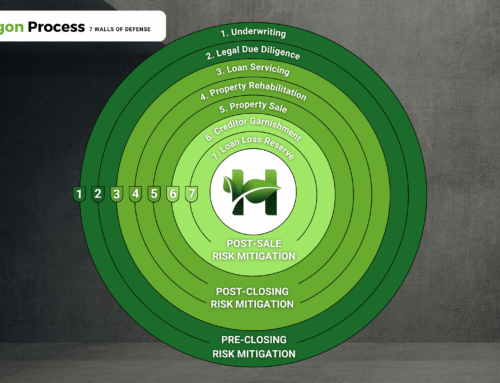
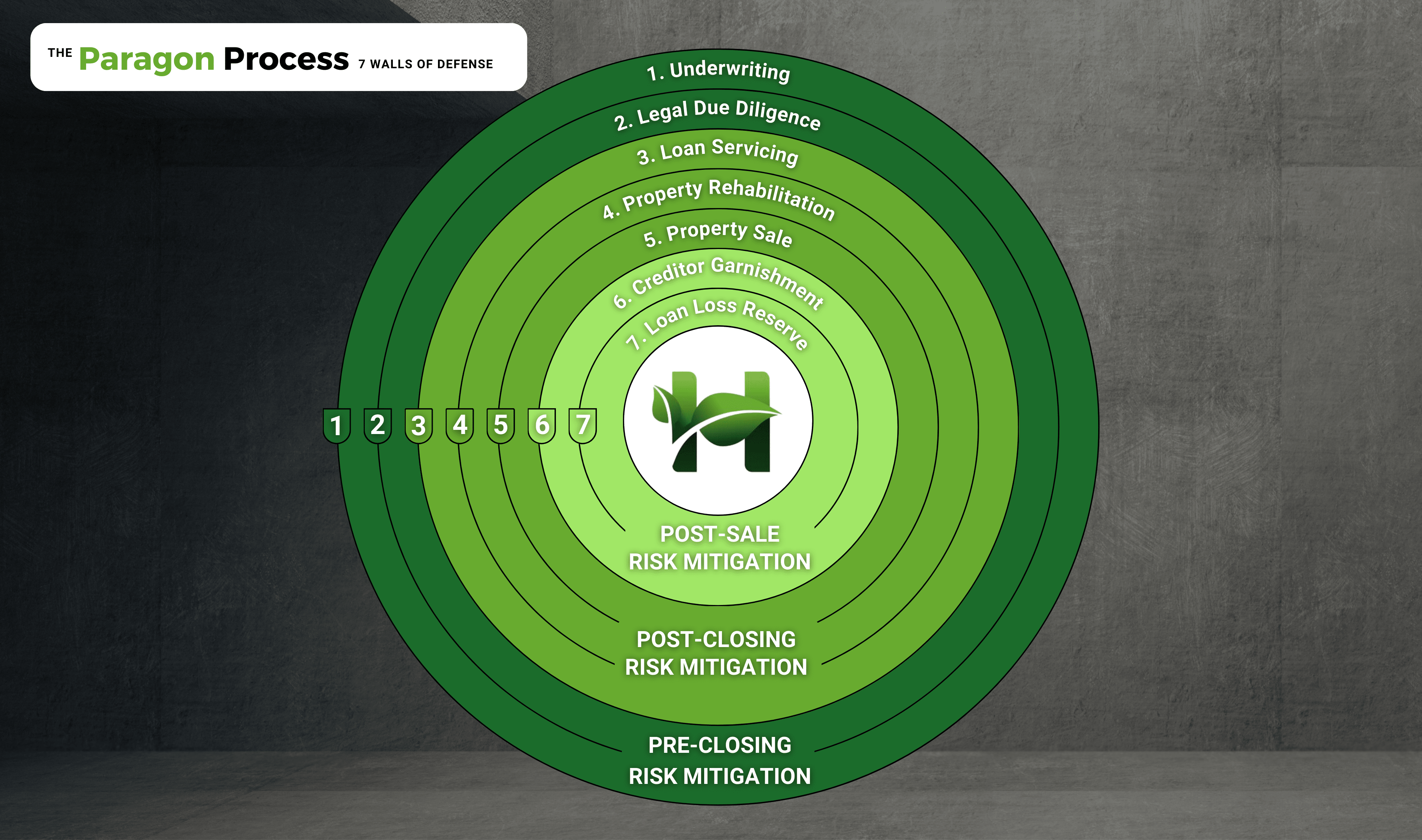
Practical safety also includes process. Hosper Mortgage’s Paragon Process verifies documents, confirms identity, and checks registrations. Appraisers are selected for local skill and track record. Deals that pass these gates are the ones that deserve capital. Deals that fail are declined. That discipline protects the fund and respects the trust of shareholders. Hosper further ensures that every loan includes home insurance, title insurance, and errors and omissions insurance. These are among the many ways that Hosper’s paragon process ensures capital protection before deals are even accepted.
Direct Mortgage Investing and Investor Security
Private mortgage investment can offer attractive yields. CMHC found that alternative lenders grew their outstanding mortgage value faster than traditional lenders. The tradeoff is spread. The right tools make that spread manageable. Title insurance is one. Strong appraisals are another. Careful collateral screening is a third. Together, these tools protect investor capital without choking off deal flow.
Direct mortgage investing gives investors control over structure and pace. A mortgage investment corporation is diversified as it spreads exposure across many loans. Either way, the thesis is similar. Pick deals that a disciplined lender would fund themselves. Protect them with the right insurance. Track the numbers and keep leverage in check.
Investors who want to invest directly in mortgages should know how to invest in a safe, repeatable way. Hosper makes sure that there are dedicated account managers and teams that manage each loan with specialized care. This ensures any hurdle is addressed right away and provides full transparency to the investor.
What Hosper Does to Protect Investor Capital
Hosper builds multiple safeguards into every mortgage to protect investor capital. The legal process is already covered through fraud prevention measures, title searches, and writ searches. These steps confirm ownership, uncover hidden claims, and ensure the collateral is enforceable before funds are advanced.
Insurance is also a key layer. Title insurance, home insurance, and errors and omissions insurance are all mandatory, creating financial and legal protection if something unexpected occurs. These provisions work together so that risks are reduced long before an investment is made. Title insurance cost is already built into the deal at closing, ensuring full coverage without unexpected expenses later.
Beyond setup, Hosper emphasizes proactive loan servicing. Dedicated account managers monitor payments, handle communication with borrowers, and act quickly if any issues arise. In the event of a default, Hosper also has further measures to ensure capital protection outlined in the Paragon Process.
Mortgage Investment Corporation and Insurance
A mortgage investment corporation is a pool that holds many mortgages. The structure aims for steady income and diversified risk. In that setup, direct mortgage investment choices still matter. Each loan must clear the same bar for security. That means the right title policy, the right home insurance, and valid errors and omissions insurance for professionals.
Policies and procedures keep those standards tight. Checklists help teams apply the same test to every file. The result is a portfolio that behaves as planned more often.
In a MIC, discipline scales. A small edge on each file adds up. Over a year, that edge may be the difference between average and strong results. When every loan meets the same standard for insurance and documentation, performance becomes more predictable. Predictable cash flow helps investors plan and reinvest.
Balancing Returns and Security
High return investments are appealing. Returns must be earned the right way. The goal is not to stretch risk but to reward skill. Title insurance, home insurance, and professional coverage help do that. They guard the downside while the underwriting aims for upside.
These protections help borrowers too. Clear ownership, proper insurance, and honest paperwork reduce disputes. That means fewer delays, fewer legal bills, and smoother closings.
Keep the questions simple when reviewing a file. Is the title clear. Is the LTV conservative? Are the appraisals credible? Is the insurance complete? If the answers are yes, the odds of a good outcome improve. That is how a professional treats risk in mortgage investing.
Conclusion: Why Title Insurance Is Essential
Mortgage investing can be simple, but it must be strict. Title insurance is a core part of that discipline. It shields the collateral from surprise claims. It pays for legal defense when needed. It lets investors focus on cash flow and risk controls, not on fixing old paperwork.
In practice, smart investors pair home title insurance with low LTV, strong appraisals, and complete documents. Hosper’s Paragon Process uses those habits across the board. Insurance is one of many angles used to ensure investor capital is safe. It is worth it at closing for the home title insurance cost among other costs to be included in the deal, guaranteeing protection from the start without adding hidden costs later. That focus supports performance in good markets and tough ones.
Before stepping into his BDM role, Garry spent nearly two years on Hosper’s investment team as an Investment Account Manager, where he developed a strong understanding of underwriting criteria and investor priorities. He holds a Juris Doctor from Barry University’s Dwayne O. Andreas School of Law and a Bachelor of Business Administration from the Schulich School of Business.
You may also like
Relevant Articles
The best time to invest in real estate was yesterday. The second best time is now. Join thousands of investors who trust Hosper to grow and protect their wealth.

Green Financing: Funding Sustainable Real Estate Projects
Financing
FinancingFinancingDelve into the world of green financing options available for sustainable real estate projects, emphasizing the importance of eco-friendly developments in today’s market.
January 5, 2026

Real Estate Investment Trusts: A Guide to Passive Income
Financing
Learn how Real Estate Investment Trusts (REITs) can provide a source of passive income while diversifying your investment portfolio. Understand their structure and benefits for investors.
January 10, 2026

Real Estate Investment Trusts: A Guide to Passive Income
Financing
Learn how Real Estate Investment Trusts (REITs) can provide a source of passive income while diversifying your investment portfolio. Understand their structure and benefits for investors.
January 10, 2026